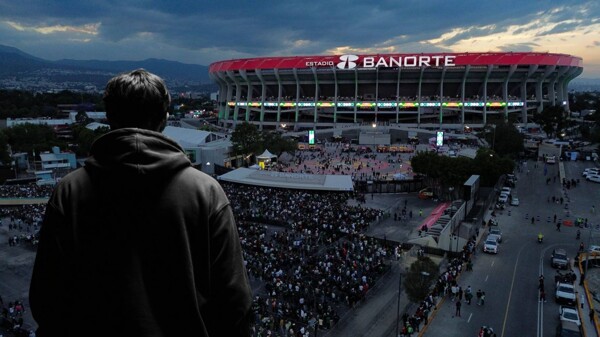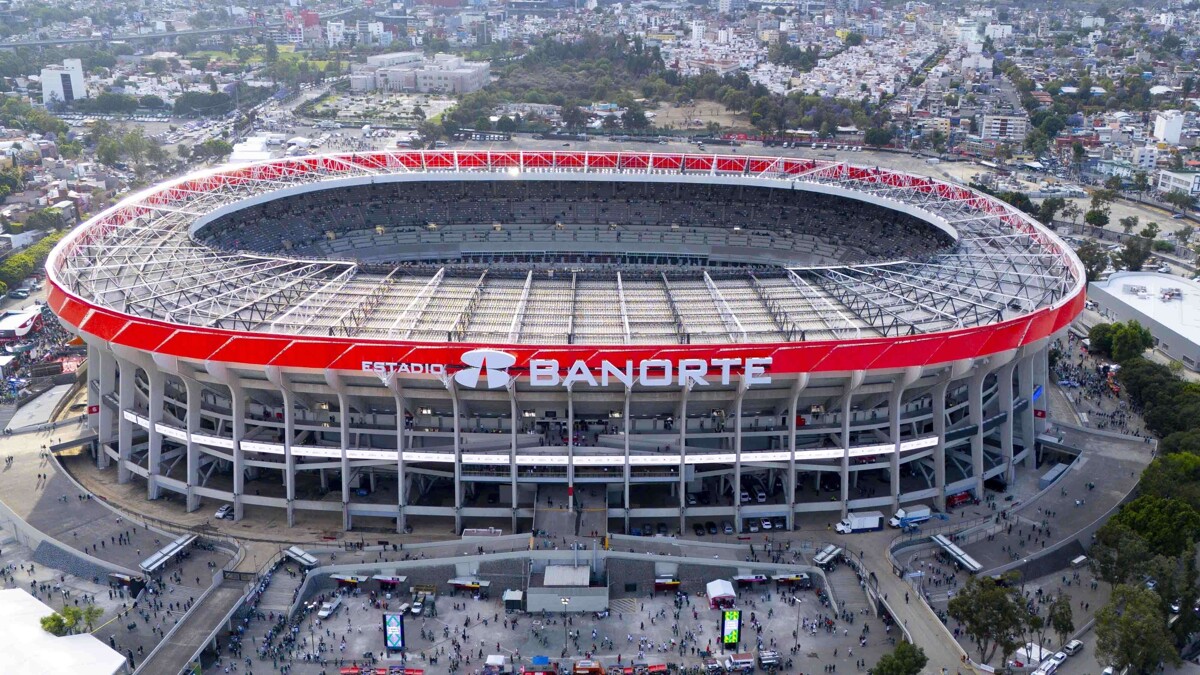
Tensions already existed between box owners and stadium management before the reopening due to changes in regulations, restrictions, and possible contract violations. The much-anticipated reopening of the Azteca Stadium, commercially rebranded as Banorte Stadium, was far from a complete celebration on March 28. What was meant to be a rehearsal for the 2026 World Cup turned into a focal point for criticism, especially from box owners, who denounced deplorable conditions within their spaces during the match between Mexico and Portugal.
Box Conditions According to information from the ESTO newspaper, the rights holders exploded against the administration led by Grupo Olmeya upon finding deteriorated, dirty, and poorly maintained facilities. Some owners pointed out that their areas had visible flaws, furniture in poor condition, and deficient services, which contrasted with the million-dollar investment made to modernize the venue.
Some groups had even threatened legal action over what they consider abuses and unilateral decisions. The reopening, held after nearly two years of renovations for the World Cup, was also marked by other logistical problems, such as service failures, disorganization, and unfinished details inside the building.
However, the state of the boxes particularly sparked controversy, as it is one of the most exclusive sectors of the stadium. Less than three months before the start of the 2026 World Cup, the situation is raising red flags.
"When we got to the boxes, they hadn't been cleaned in two or three years. We found more than half of the boxes without water or electricity, as well as nails, wires, and pipes," denounced Roberto Ruano, general secretary of the Mexican Association of Boxes and Seating (AMTPP).
This situation caused annoyance, as many of them have acquired rights for decades, which guarantee them the use of these spaces for events held at the venue.
The discontent is not new. What happened shows that beyond the aesthetic modernization, there are still important pending issues in the operation and maintenance of the Colossus of Santa Úrsula, a venue that is under international scrutiny and must be up to the most important event in world football.